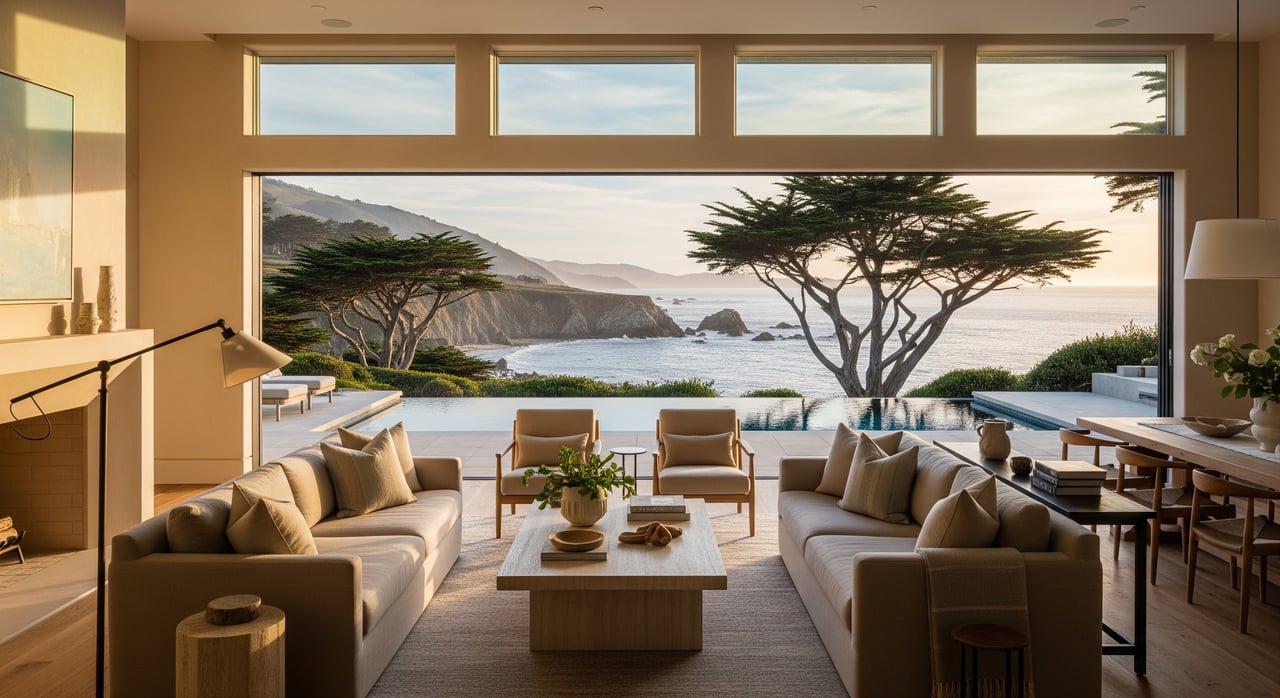
What if your morning started on a cobblestone-like lane with coffee in hand and ended with a sunset over world-famous cliffs and fairways? If you are weighing a primary home or weekend retreat in 93921, you are choosing between two distinct coastal lifestyles that share the same dramatic shoreline. In this guide, you will learn how daily life feels in Carmel-by-the-Sea and Pebble Beach, what property types are common, and which practical details matter before you buy. Let’s dive in.
Carmel and Pebble Beach at a glance
Carmel-by-the-Sea, often called “the village,” is intimate and highly walkable. You get short blocks, human-scale storefronts along Ocean Avenue, and narrow, tree-lined streets that invite strolling to galleries, boutiques, and dinner.
Pebble Beach sits within the Del Monte Forest and feels more private and residential. Large estates line gated lanes and private drives, with social life concentrated around resort properties and golf clubhouses. You drive most places, though coastal overlooks and the lodge area offer scenic walks.
Both places follow a seasonal rhythm. Summer and holiday weekends bring more visitors and full dining rooms, while weekdays and off-season periods feel quieter and more contemplative.
Property types and architecture
In Carmel, you will find single-family cottages and custom homes on small to medium lots, plus a handful of townhouses and boutique condos. Many properties sit within a short stroll of downtown or the beach, which drives demand for village addresses.
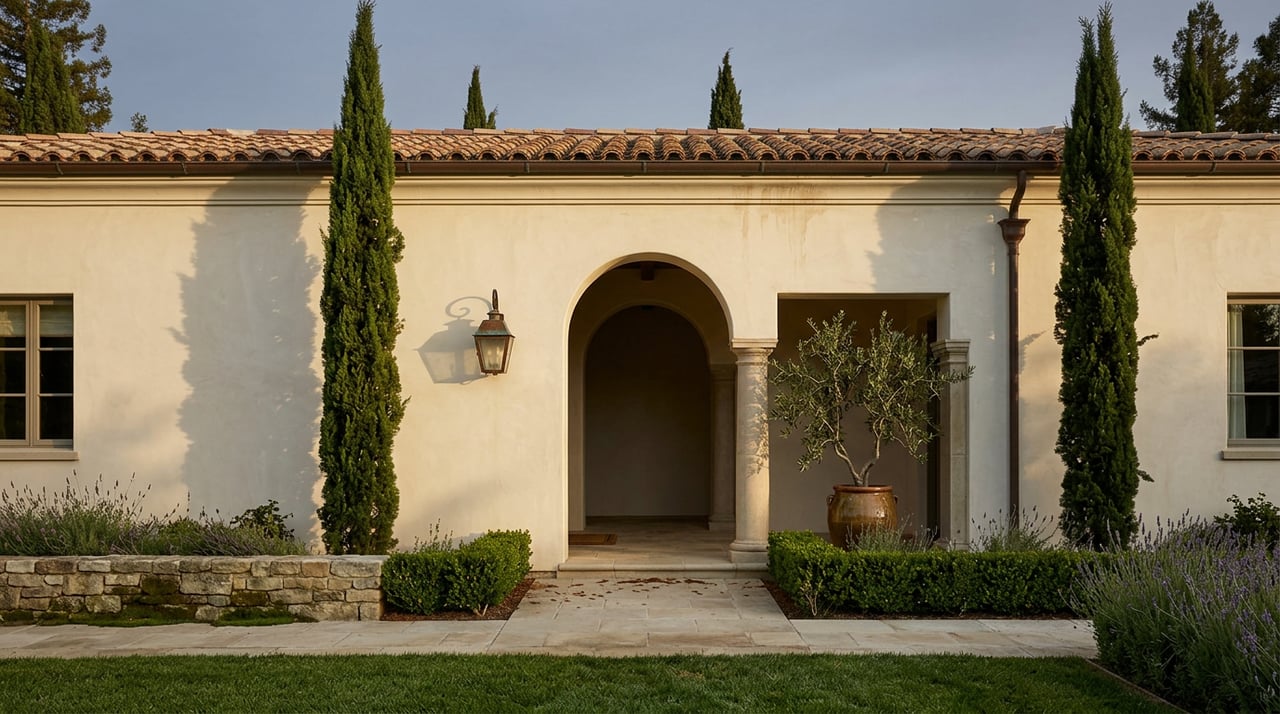
Architecture in Carmel leans into character. Think English cottage and Storybook details, Arts & Crafts and Spanish Revival elements, stone and timber, pitched roofs, and intimate garden courtyards. Thoughtful updates often blend contemporary comforts with historic charm.
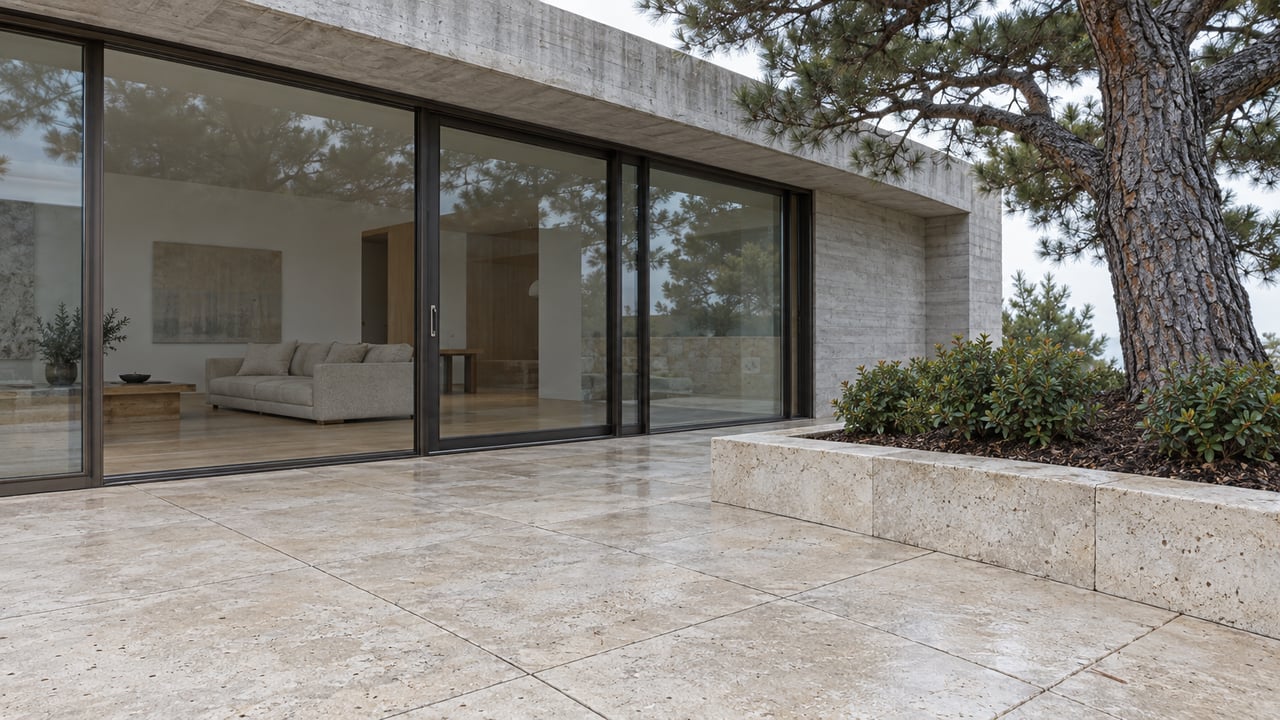
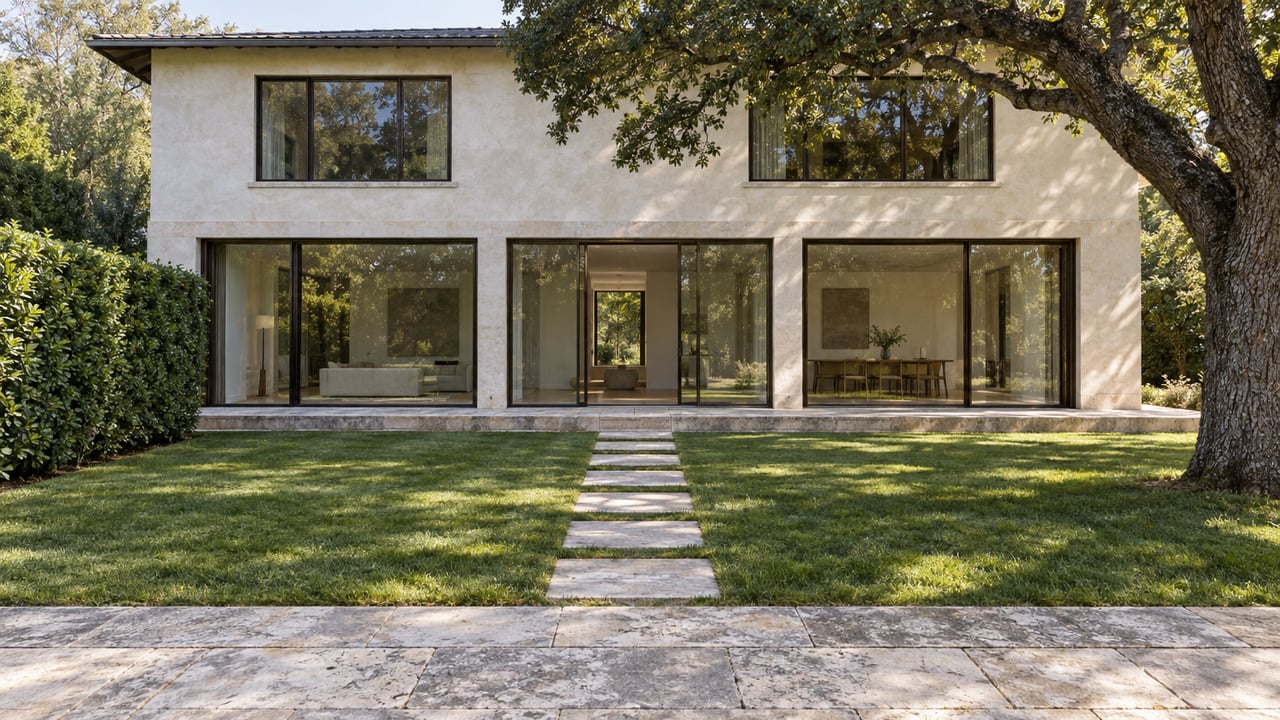
Pebble Beach skews larger. Expect oceanfront estates, golf-course homes, and custom residences on generous lots, along with resort condominiums and, in some cases, fractional ownership options. Styles range from Mediterranean and Spanish Revival to contemporary designs that frame panoramic ocean views.
Topography matters in both areas. Steep bluffs, sloped sites, and forested lots can shape foundation choices, access, privacy, and how you live day to day.
How daily life feels
Carmel’s rhythm is village-forward. You walk to coffee, browse galleries midday, and choose between small gourmet restaurants at night. On foggy mornings, the marine layer often gives way to bright afternoons, especially in certain seasons.
Pebble Beach is quieter and more inward-facing. Social time often happens at clubhouses, private events, or resort venues. For broader dining and shopping, you make short drives into Carmel, Monterey, or Carmel Valley.
Outdoor living is a constant. Patios, terraces, and garden rooms are common, and many homes orient around ocean vistas. Social connections form at cafes, galleries, beach access points, and golf clubs.
Golf, beaches, and the coast
Pebble Beach Golf Links anchors a celebrated golf network that also includes Spyglass Hill and Spanish Bay. If golf is core to your lifestyle, membership and reciprocal access to private clubs often become part of your decision set.
The coastline is your daily playground. Carmel Beach and Carmel River State Beach offer sand, tidepools, and sunset walks, while nearby Point Lobos delivers iconic hiking and wildlife viewing. Monterey Bay adds whale watching, kayaking, and diving to your weekend mix.
Signature events add energy and tradition. Many residents build calendars around the AT&T Pebble Beach Pro-Am, the Pebble Beach Concours d’Elegance, and arts programming such as the Carmel Bach Festival.
Schools, healthcare, and services
Public schools fall under local districts, including Carmel Unified School District. Notable private options include Stevenson School, a college-prep program with established regional roots. Always confirm current campus details and admissions directly with each institution.
Healthcare access is straightforward for a coastal community. The Community Hospital of the Monterey Peninsula in Monterey is the main regional hospital, with specialty care spread across Monterey County. For sub-specialties, many residents tap providers in San Jose or San Francisco.
Daily services are close by in Carmel and Monterey. For major retail or tech-specific needs, you may plan periodic trips to Salinas, Santa Cruz, or the South Bay.
Getting here and getting around
By car, you are roughly 120 miles from San Francisco. Drive times typically run 2 to 2.5 hours depending on route and traffic.
Monterey Regional Airport offers commercial flights to major hubs. Many luxury buyers also use private aviation and charters, with additional flight options in San Jose and San Francisco.
Internet and telecom are critical for remote work. While premium neighborhoods often have robust options, some forested or more remote properties may need upgraded infrastructure. Always verify providers and service levels during due diligence.
What drives value and how deals get done
Inventory for oceanfront and golf-front homes is historically tight. Many premium listings move through local networks or private offerings, and time on market can swing based on view corridors, lot size, privacy, and turnkey finishes.
Value concentrates around a few factors. Ocean vistas, direct or easy beach access, proximity to clubhouses, historic character in Carmel, and high-end fit and finish all influence pricing.
Closings typically follow California norms, but luxury transactions can involve cash or jumbo financing, more negotiation on contingencies and inclusions, and, at times, off-market discretion.
Rules, permits, and short-term rentals
Carmel-by-the-Sea enforces strict design, building, and land-use standards. Many exterior changes require design review and building permits. The town also limits certain types of commercial chain presence to preserve its character.
Projects near the coast can require coastal development permits and review, with longer timelines for bluff-top or sensitive sites. Expect parcel-specific analysis and added oversight for visible or shoreline-adjacent work.
In Pebble Beach and the broader Del Monte Forest, development follows Monterey County codes. Some neighborhoods also coordinate with resort entities for aesthetics or access.
Short-term rental regulations are restrictive in many coastal communities. Do not assume rental income. Confirm current rules for Carmel and Monterey County, along with any HOA policies, before you underwrite returns.
Environmental and insurance considerations
Coastal living comes with unique risk profiles. Sea-level rise and coastal erosion are long-term realities for bluff-top properties. Commission coastal engineering and erosion studies when relevant and review historical bluff-retreat data.
Evaluate flood and tsunami exposure through official maps and local hazard plans, especially for low-lying or beachfront parcels. In forested areas, account for wildfire risk, defensible space, and local fire district capabilities.
Insurance can be nuanced along the coast. Premiums and underwriting for homeowners, flood, wind, and earthquake coverage vary by carrier and parcel. Many buyers gather multiple quotes through brokers familiar with high-value coastal properties.
Buyer checklist for 93921
- Confirm recent comparable sales and inventory with local market data, including any off-market activity.
- Verify parking, street access, and guest parking for village addresses versus private lanes or gated estates.
- Review coastal development permit history, current zoning, and any required future approvals.
- Check utility connections: municipal sewer versus septic, water source, and internet service levels.
- Order hazard reports: coastal erosion and sea-level rise, FEMA flood zone, and Cal Fire risk.
- Confirm HOA or Pebble Beach Company agreements, fees, and guest policies where applicable.
- Validate short-term rental rules and enforcement if revenue is part of your plan.
- Request current insurance quotes and underwriting notes for the specific parcel.
Is 93921 right for your goals?
Choose Carmel if you value a walk-everywhere village life with galleries, dining, and beach access in a compact footprint. Choose Pebble Beach if privacy, fairway living, and long driveways framed by cypress and hedges speak to your sense of home.
Both offer a rare coastal lifestyle with strong arts and hospitality, balanced by practical permitting and environmental diligence. If you are coming from the Bay Area, plan for travel logistics and consider how often you will use the property as a primary residence versus a second home.
If you want a calm, expert path to a purchase, we can help you clarify priorities, organize due diligence, and coordinate the right local specialists. For a private conversation about next steps, connect with Luxury Inc.. Our founder-led team delivers creative presentation and concierge transaction services, with a focus on discretion and efficiency. You can also reach us at 1-800-LuxuryHomes for high-intent support.
FAQs
How do Carmel and Pebble Beach differ for daily living?
- Carmel offers a walkable village with compact blocks and boutique storefronts, while Pebble Beach provides private, residential living centered on golf, resort amenities, and gated lanes.
What property styles are common in 93921?
- Carmel features cottage, Storybook, Arts & Crafts, Spanish Revival, and tasteful contemporary updates; Pebble Beach includes Mediterranean, Spanish Revival, and contemporary ocean-oriented designs.
How far is the drive from San Francisco to Carmel or Pebble Beach?
- Typical drive times run about 2 to 2.5 hours depending on traffic and route.
Are short-term rentals allowed in Carmel or Pebble Beach?
- Rules are often restrictive. Confirm current Carmel city ordinances, Monterey County regulations, and any HOA policies before assuming rental income.
What are key environmental risks to assess before buying?
- Focus on coastal erosion and sea-level rise for bluff sites, FEMA flood and tsunami exposure for low-lying areas, and wildfire risk in forested zones, then obtain insurance quotes tailored to the parcel.
Where do residents access healthcare and schools?
- The Community Hospital of the Monterey Peninsula serves the region, with specialty care in Monterey County and larger hubs in the Bay Area; public schools are in local districts and private options include Stevenson School.