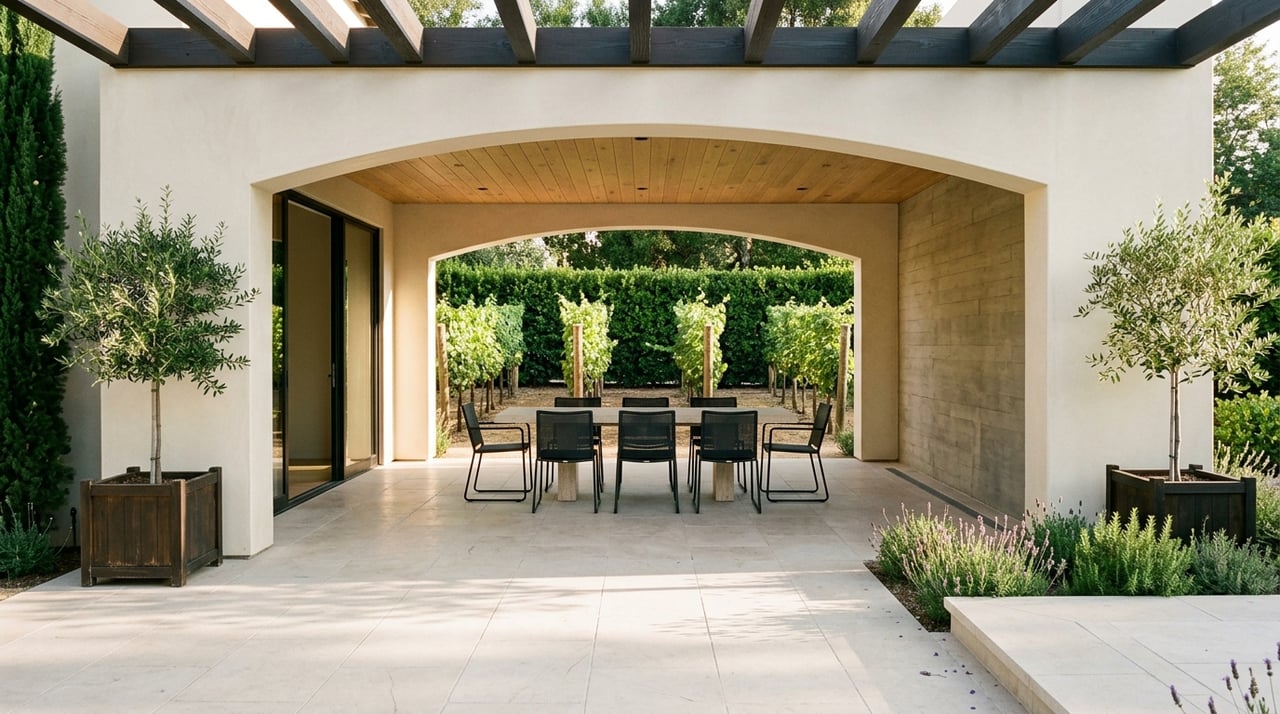
If you want Silicon Valley luxury without giving up a sense of space, scenery, and weekend ease, Saratoga deserves a closer look. This is a city where hillside roads, tasting rooms, cultural landmarks, and estate-style living often sit within the same daily rhythm. If you are wondering what gives Saratoga its wine-country feel and why that matters when you buy or sell a high-end home, this guide will walk you through it. Let’s dive in.
Why Saratoga Feels Different
Saratoga is a residential community of about 31,000, and the city says it works to preserve a semi-rural ambiance and unique character. That matters because the setting is not accidental. The local identity is shaped by open space, hillside conditions, and a downtown core that feels active without feeling overbuilt.
Historic Saratoga Village along Big Basin Way is the heart of that experience. You have dining, shops, galleries, coffee houses, parks, and trails in one central district. For many buyers, that mix creates a rare balance: estate living with a walkable village nearby.
Where the Wine-Country Feel Is Strongest
The wine-country atmosphere is most noticeable in two places: the hills above Saratoga and the Big Basin Way village core. In the hills, you see winding roads, larger properties, vineyard settings, and cultural destinations tucked into the landscape. In the village, you get tasting rooms, dining, and a social rhythm that supports the lifestyle.
This combination gives Saratoga a feel that is more layered than a typical suburban luxury market. It is not just about large homes. It is also about how land, views, hospitality, and local gathering places work together.
The Hills Above Saratoga
Much of Saratoga’s vacant land is in hillside areas, and the city’s housing guidance notes that hillside residential development involves site-development plans, geologic and soils reports, and other criteria. The city also emphasizes preserving scenic beauty and avoiding improvements on land that is unsuitable because of topographic or geologic constraints.
For buyers and property owners, that tells you something important. Saratoga’s estate character is partly protected by the realities of the land itself and by the local review framework around hillside development. In practical terms, that can help preserve the spacious, natural backdrop that draws people here in the first place.
The Village Core
Saratoga Village adds the social side of the story. The city has explicitly allowed tasting rooms in the Village, and the local wine and tasting-room ecosystem remains active today. That means the wine-country identity is not just visual or historical. It shows up in how people actually spend time in town.
Current local listings show tasting destinations such as Mindego Ridge Tasting Room and Big Basin Vineyards Tasting Room on Big Basin Way, with additional wine-related spots in and around the village core. For homeowners, that supports a lifestyle that feels polished but relaxed, with easy options for an impromptu tasting or a dinner downtown.
Saratoga’s Real Winery Presence
One reason Saratoga stands apart is that the wine-country feel is grounded in real winery and vineyard properties, not just branding. Several local wineries are estate settings with acreage, hospitality uses, and long-established identities. That gives the area more authenticity than a market that simply borrows wine-country language.
The city and local wine organizations have highlighted wineries tied to Saratoga, including Big Basin Vineyards, Mindego Ridge, The Mountain Winery, Cooper-Garrod Estate Vineyards, House Family Vineyards, Mount Eden Vineyards, and Savannah-Chanelle Vineyards. Some are near the village experience, while others are more connected to the hills and ridgelines above town.
Estate Vineyards and Larger Properties
Cooper-Garrod operates on a 120-acre ranch above Saratoga and offers wine tasting along with horseback riding. House Family Vineyards owns 73 acres in the hills of Saratoga, between agricultural and open-space land and residential properties, with an approved tasting room, subterranean wine cave, parking, and public and private tasting and event uses.
Mount Eden Vineyards sits at 2,000 feet above Silicon Valley and is described as one of California’s original boutique wineries. Savannah-Chanelle is a 53-acre estate above Saratoga with a historic tasting room, while The Mountain Winery traces back to Paul Masson and now functions as both a tasting room and concert and event venue.
These are not small details. They reinforce that Saratoga’s estate atmosphere is linked to land, elevation, hospitality, and history.
A Lifestyle Built for Hosting
For many luxury buyers, the appeal of Saratoga is not only what a property looks like. It is how you can live in it. Saratoga’s combination of village dining, winery event programming, open-space destinations, and tasting-room activity supports a lifestyle centered on hosting, entertaining, and enjoying indoor-outdoor space.
That makes estate homes here especially compelling for private dinners, weekend gatherings, and work-from-home routines that benefit from terraces, gardens, or outdoor seating areas. The lifestyle inference is well supported by the local pattern of land use and amenities. In other words, the setting invites that style of living.
Dining Adds to the Experience
Saratoga Village has a notable dining corridor along Big Basin Way. Plumed Horse is in downtown Saratoga and is listed by the MICHELIN Guide. La Fondue, Bella Saratoga, The Heid, and The Basin also help define the area as a destination for special-occasion dining and relaxed evening plans.
For homeowners, that matters because estate living is rarely just about privacy. It is also about having refined, convenient places nearby for a quiet dinner, a client meeting, or an easy night out without a long drive.
Event Uses Are Part of the Local Pattern
Saratoga’s wine-country identity is not only aesthetic. The city’s FAQ states that Cooper-Garrod has a conditional use permit for wine tastings and events, and House Family Vineyards includes approved uses for public wine tasting, private wine tasting, and private events by appointment.
That local framework matters because it shows that hosting and hospitality are part of Saratoga’s built environment. The broader atmosphere of entertaining, tasting, and gathering is woven into the area’s real-world use patterns.
Open Space Makes Estates Feel Larger
Public open space is another key reason Saratoga feels like a retreat. Montalvo sits in the foothills above Saratoga with more than 100 acres of woodland hiking trails and gardens. Hakone Gardens is one of the oldest residential-style Japanese gardens open to the public in the Western Hemisphere.
You also have Sanborn County Park, which spans 3,453 acres between Saratoga and Skyline Boulevard, and Fremont Older Preserve with 739 acres of trails and valley views. These places do not just offer recreation. They shape the visual and emotional experience of living in Saratoga.
When open space is part of your daily backdrop, estate properties tend to feel more immersive. You are not only buying square footage. You are buying into a landscape defined by foothills, trails, gardens, and long view corridors.
The History Behind the Atmosphere
Saratoga’s wine story also has historical depth. Santa Clara County’s historic context notes that Paul Masson established champagne vineyards above Saratoga around 1896. Wine production later declined through Prohibition and mid-century development pressure, before specialty wines helped revive the region’s reputation in the late twentieth century.
That history helps explain why Saratoga’s wine-country feel does not come across as manufactured. It has roots in the land and in a longer regional story. For today’s buyer or seller, that kind of continuity can add meaning to the setting and strengthen long-term appeal.
What Buyers Should Notice
If you are searching for a Saratoga estate with this kind of character, pay attention to more than the home itself. The most compelling properties often benefit from how they connect to the village, the hills, and Saratoga’s public open-space network.
A few location anchors to watch include Big Basin Way, Congress Springs Road, Mt Eden Road, Garrod Road, Pierce Road, and Montalvo Road. These public place names help orient you to the routes that connect village life, winery destinations, and hillside estate areas.
You should also keep hillside conditions in mind. Because hillside development may involve site plans and geologic or soils review, the land itself can be a major part of a property’s story. For some buyers, that means added diligence. For others, it is exactly what helps preserve rarity and setting.
What Sellers Can Highlight
If you own a Saratoga estate, the strongest positioning often goes beyond square footage and finishes. Buyers are responding to a complete lifestyle story that includes privacy, outdoor flow, proximity to Saratoga Village, and access to the area’s wine and cultural identity.
That story may include gardens, terraces, entertaining space, view relationships, or easy access to Big Basin Way and the foothill destinations that define the market. In a place like Saratoga, presentation matters because the lifestyle is visual, experiential, and highly specific to the setting.
For distinctive properties, thoughtful marketing can help show why one estate feels transportive while another simply feels large. That is especially true in a market where land, atmosphere, and discreet luxury all shape value.
If you are exploring a Saratoga estate purchase or preparing to position a special property for sale, a tailored strategy matters. Luxury Inc. offers private, concierge-level guidance for high-end homes with the kind of presentation, discretion, and local context this market deserves.
FAQs
Where does the wine-country feel show up most in Saratoga?
- The strongest wine-country feel is typically in the hills above Saratoga and around the Big Basin Way village core, where wineries, tasting rooms, dining, and estate-style settings all come together.
Are there real vineyards and wineries in Saratoga?
- Yes. Saratoga includes winery and estate properties such as Cooper-Garrod Estate Vineyards, House Family Vineyards, Mount Eden Vineyards, Savannah-Chanelle Vineyards, and The Mountain Winery.
Can Saratoga winery properties host tastings or events?
- Yes. The city states that Cooper-Garrod has a permit for wine tastings and events, and House Family Vineyards includes approved uses for public and private tastings and private events by appointment.
What public places add to Saratoga’s estate atmosphere?
- Montalvo, Hakone Gardens, Sanborn County Park, Fremont Older Preserve, and Saratoga Village all contribute to the area’s blend of culture, open space, and retreat-like character.
Why do Saratoga estates often feel more private and scenic?
- Saratoga’s semi-rural character, hillside topography, open-space setting, and city emphasis on preserving scenic beauty all help support a more private and visually distinctive estate environment.